Layout
Nanzhuang town centre is the transport and service hub. Penglai, Donghe, Xiangtian Lake and Luchang are separate mountain areas, each requiring its own weather, road and return-transport check.
Nanzhuang town centre is the transport and service hub. Penglai, Donghe, Xiangtian Lake and Luchang are separate mountain areas, each requiring its own weather, road and return-transport check.
Official information checked 31 July 2026. Reconfirm opening, live buses, roads, weather and community rules before departure.
Nanzhuang town centre is the transport and service hub. Penglai, Donghe, Xiangtian Lake and Luchang are separate mountain areas, each requiring its own weather, road and return-transport check.
Bus 5805A links Zhunan Station East Exit with Nanzhuang. Mountain branches such as 5824 and 5822 are limited. Check live outbound and last-return service on the day, or reserve a vehicle and pickup.
Cancel gorge, stream and mountain-road visits during or after heavy rain, thunderstorms, rising or cloudy water, fog, earthquake-related instability, rockfall alerts or insufficient daylight.
Xiangtian Lake and Shenxiangu are living Indigenous cultural landscapes. paSta’ay is a Saisiyat ritual, not a show. Entry, photography, recording and reuse of songs, objects or designs require the relevant community, ritual group or venue’s consent.
Confirm the return first, then walk through Osmanthus Alley, the washing pit, Yongchang Temple, Nogizaki and the old post office.
Put 5824 return service or a reserved vehicle first. paSta’ay is not a performance; follow community and museum rules.
Run only with stable weather, open roads and structures, and a confirmed pickup. Never descend to either stream.
Official and community rules determine access; maps are navigation aids, not live guarantees.
Use town for a reliable meal and supplies. Ask each business about opening, ingredients, allergies, vegetarian needs and alcohol.
5805A links Zhunan and Nanzhuang. Branches such as 5824 and 5822 are limited: save live outbound and return times and reserve backup transport.
Use Taiwan’s legal accommodation register. Verify road, fire safety and heavy-rain evacuation rules for any campsite.
paSta’ay is not a show. Community, ritual-group, museum and traditional-knowledge rules govern entry, photography, recording and reuse.
The visitor centre is easiest to verify. Lanes, steps, lakeside paths, gorges and natural trails are not consistently step-free.
Use the visitor centre or a confirmed indoor venue. Cancel streams, gorges and mountain roads during or after unsafe weather.
Use the visitor centre before heading uphill. Carry water, power and offline maps; return to confirmed transport before dark.
Call 110 or 119. Share your route. Do not descend to a stream or bypass closures when injured, lost or cut off.
Every image is governed: verified real photos are preferred; any AI landmark impression is visibly labelled on the image.
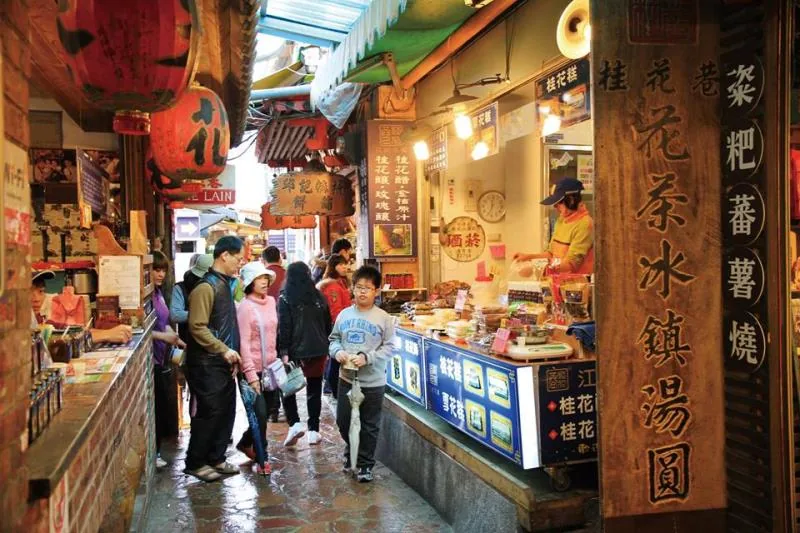
A walk through narrow lanes, a historic washing pit, Japanese-era buildings and Hakka food; public access does not mean every shop is open.
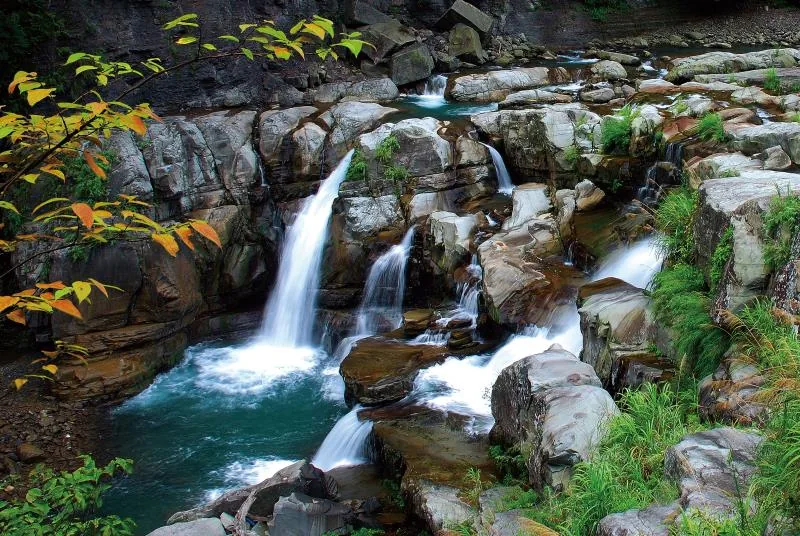
Full practical guide →A gorge and waterfall landscape that official information identifies as an Atayal ancestral sacred place. Stay only on open structures and never descend to the riverbed.
Full practical guide →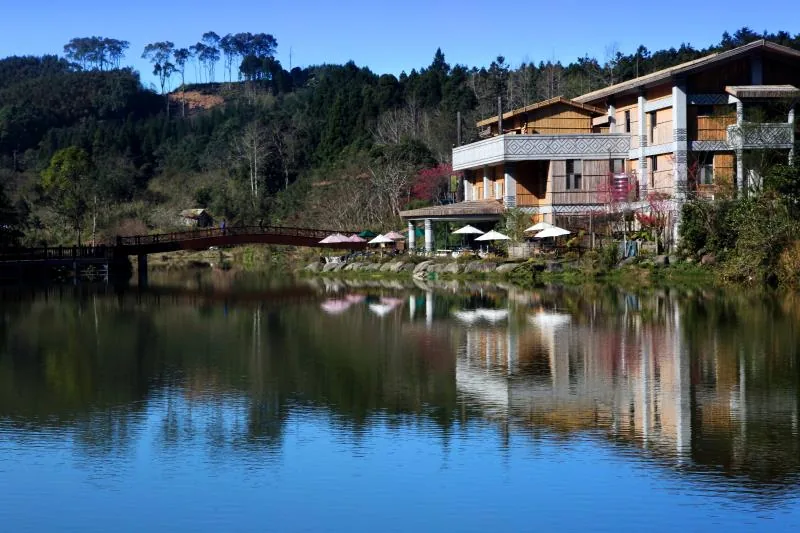
A community cultural setting and museum. paSta’ay is a living ritual with protocols and protected traditional knowledge, not a tourist performance.
Full practical guide →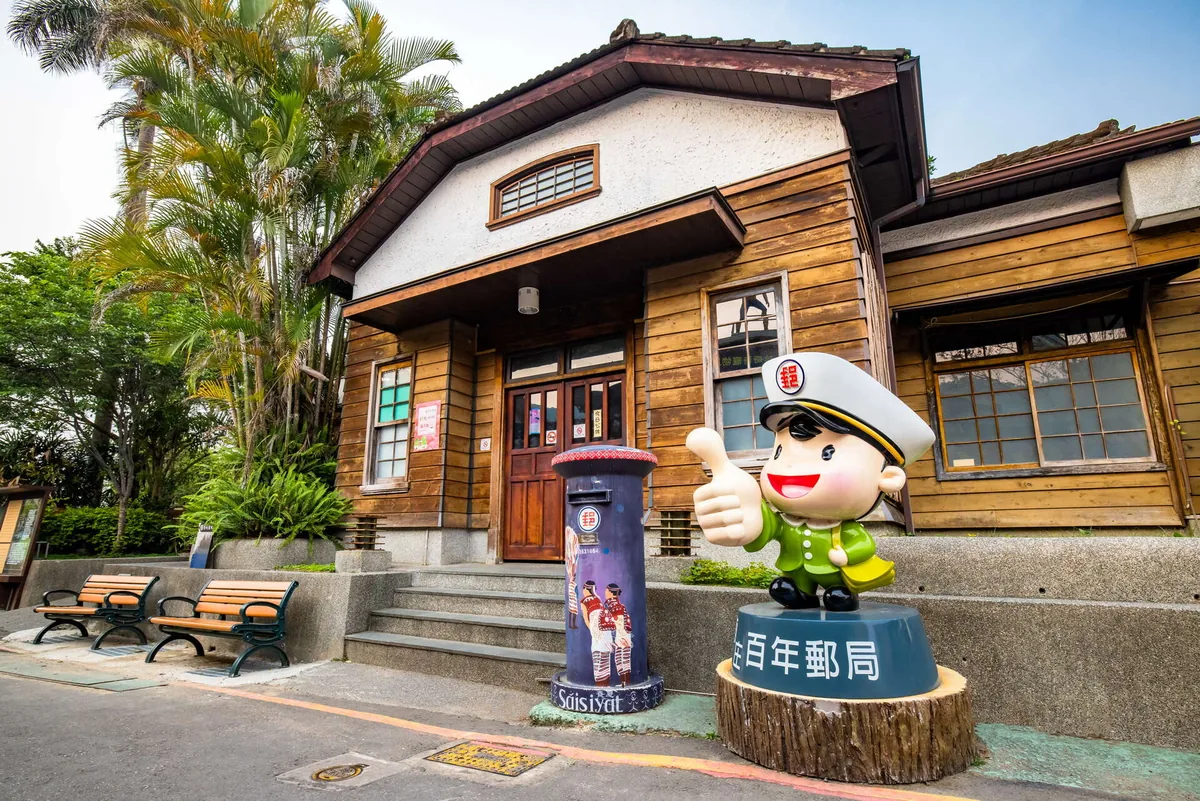
A compact town walk linking a community temple, historic steps and a Japanese-era postal building.
Full practical guide →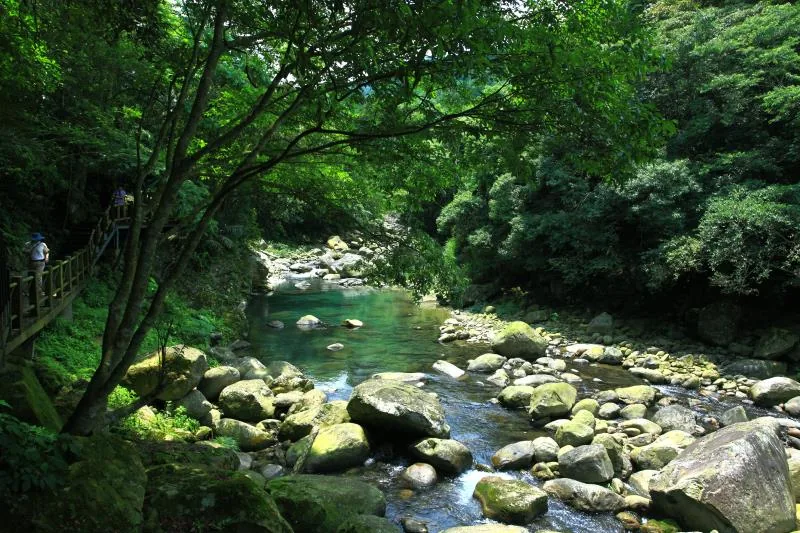
A community conservation route for observing stream life. Fishing, catching, feeding and entering the water are incompatible with the protected setting.
Full practical guide →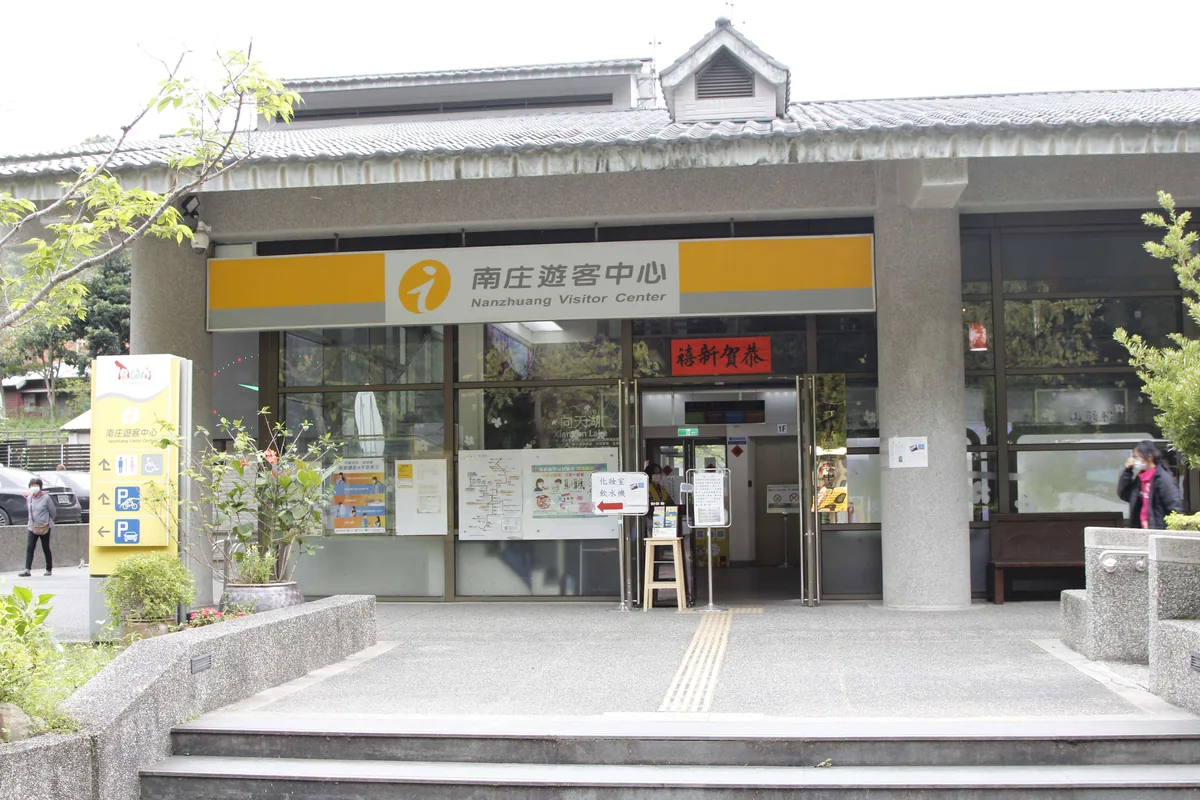
The practical first stop for information, toilets, Wi-Fi, luggage storage, wheelchair service, parking and same-day bus or road checks.
Full practical guide →Operations use official sources; Indigenous cultural protocol uses official or community authority. View the Nanzhuang photo register →