Layout
Yuanli has four distinct travel zones: the TRA station and morning market, Shanjiao’s rush-craft heritage, Fangli and the fishing coast, and Huatao Kiln in the eastern hills. Plan by zone and reserve transport.
Yuanli has four distinct travel zones: the TRA station and morning market, Shanjiao’s rush-craft heritage, Fangli and the fishing coast, and Huatao Kiln in the eastern hills. Plan by zone and reserve transport.
Information checked 31 July 2026. Market location, venue access, admission, appointments, transport and sea conditions can change; confirm with the named official source.
Yuanli has four distinct travel zones: the TRA station and morning market, Shanjiao’s rush-craft heritage, Fangli and the fishing coast, and Huatao Kiln in the eastern hills. Plan by zone and reserve transport.
TRA Yuanli Station is the main gateway. Walk to the market, then use a live bus, reserved taxi or car for Shanjiao, Fangli, Yuanli Fishing Harbour and Huatao Kiln.
Spring and autumn suit walking. Summer is exposed; winter coast winds can be strong. Cancel harbour edges in long waves or storms and use caution on wet timber sites and garden slopes.
Markets, fishing harbours, school grounds and old villages are working community spaces. Keep unloading routes clear, do not enter homes or closed buildings, and ask before photographing people.
Visit the working morning market, then connect two nearby Shanjiao heritage sites. Respect every closure sign.
Read Fangli through public lanes, then view the working harbour only in safe sea conditions.
Book first, then follow the operator’s garden, kiln, pottery and meal programme without overpacking the day.
Official sources determine operations; map searches are navigation aids, not live guarantees.
Use the morning market and station district for fish balls, rice foods and daily meals. Stalls and interim locations change.
Yuanli TRA Station is the reliable hub. Check live bus or reserve a taxi for every outlying zone.
Options are dispersed across Yuanli, Tongxiao, Sanyi and Dajia. Verify registration in Taiwan’s official directory.
Market, rush-craft, rice-field and coast events use annual dates. Use current township or organiser notices.
The Rush Museum is the most practical indoor option. Timber heritage, old lanes, harbour and Huatao slopes are not fully step-free.
Use the Rush Museum or a confirmed Huatao programme. Cancel wet heritage lanes and harbour edges; stay in lit public areas after dark.
Use the station, formal venues or official market facilities. School and private-house toilets are not public.
Call 110 or 119 in an emergency. Return to Yuanli town for medical care and heed coastal warnings.
Verified real photos are preferred; clearly labelled AI landmark impressions are used only where licensed onsite photos were unavailable.
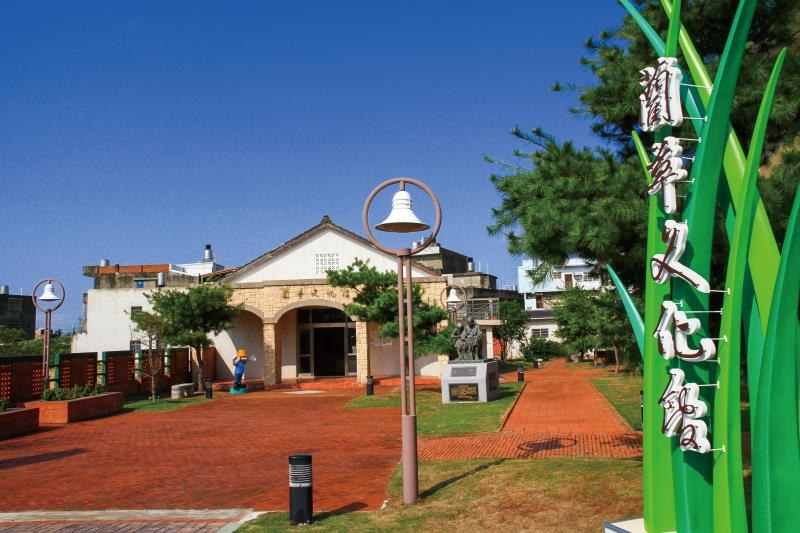
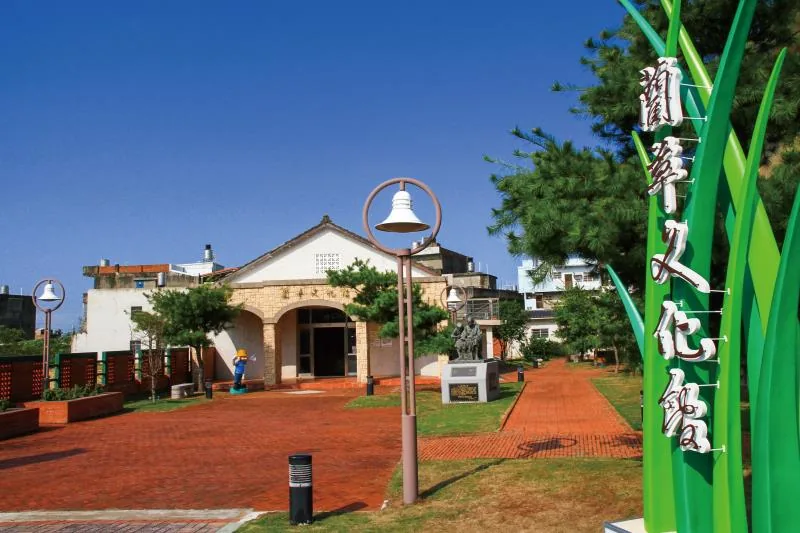
A former grain warehouse presenting rush ecology, woven hats and mats, rural objects and bookable craft sessions.
Full practical guide →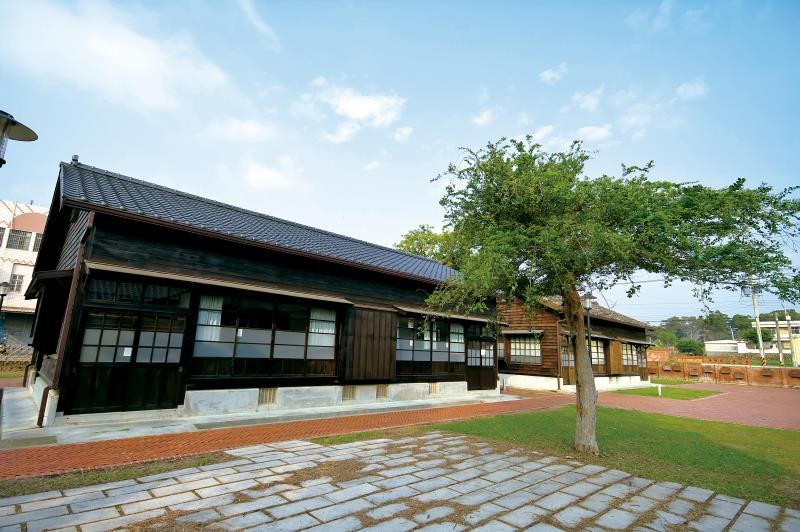
Post-1935-earthquake timber teacher dormitories showing varied layouts and local education history.
Full practical guide →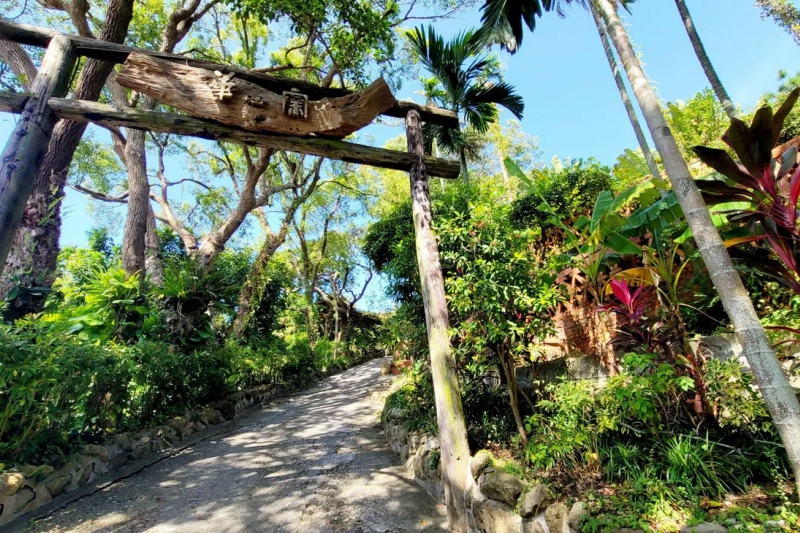
A hillside cultural estate combining a wood-fired climbing kiln, pottery studios, Taiwanese plants and garden architecture.
Full practical guide →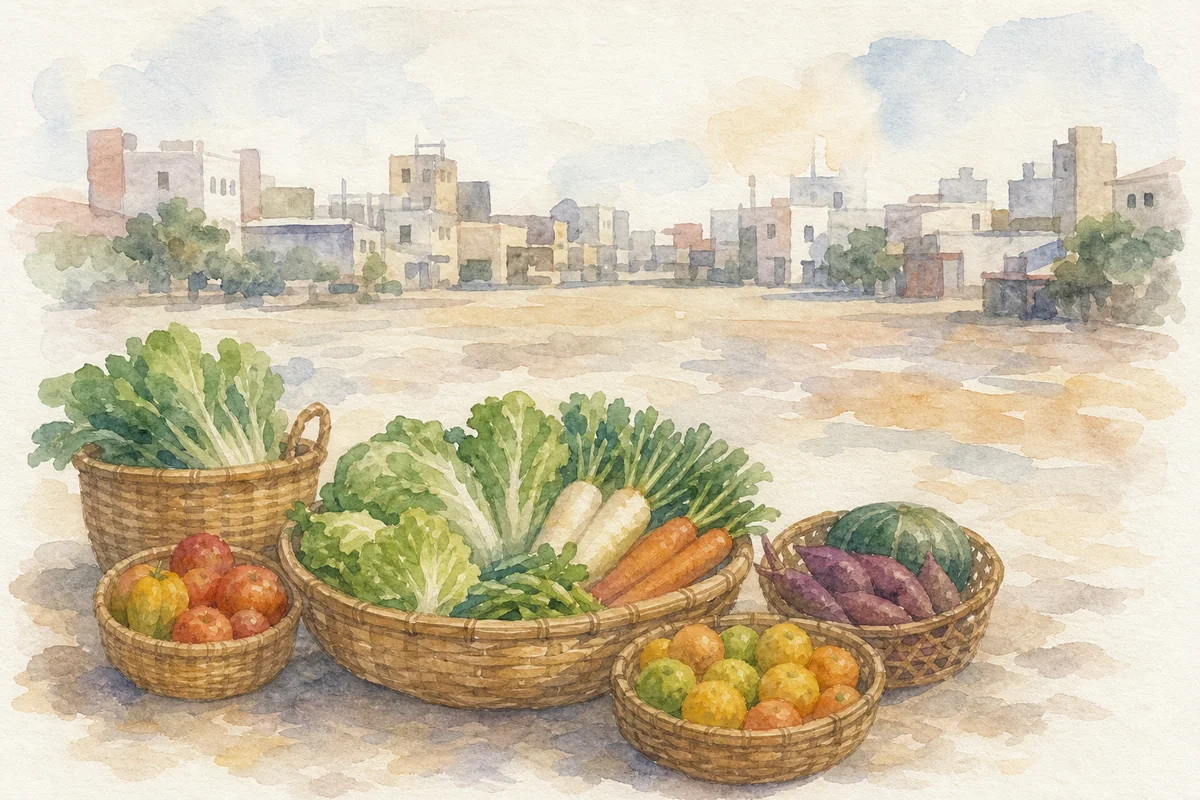
The official record only confirms that rebuilding of Yuanli Public Market began in 2023; the illustration uses produce baskets and an abstract townscape without implying completion or current operation.
Generation prompt
Create a clearly non-photographic hand-painted watercolor concept for the Yuanli market living-circle topic, based only on the county record that a public-market rebuilding project began in 2023. Show unbranded produce baskets and loose abstract low-rise town silhouettes only. Do not depict a finished or identifiable market building, construction ceremony, people, vendors, altar, banner, sign, logo, readable text, exact architecture, current operation, or photorealism.
A working morning market district for fish balls, rice foods, produce and everyday town life, not a staged food attraction.
Full practical guide →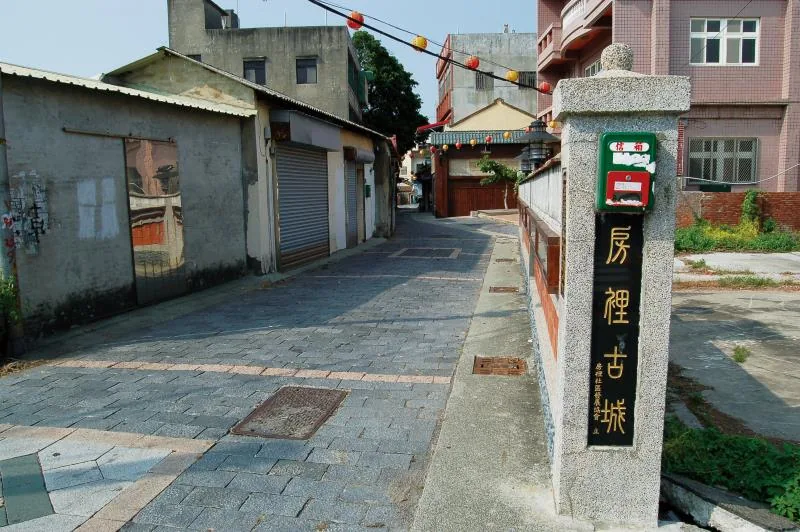
A former Taokas settlement and Qing-era town best read through Shuntian Temple, the ferry stele, old houses and public lanes rather than a complete wall.
Full practical guide →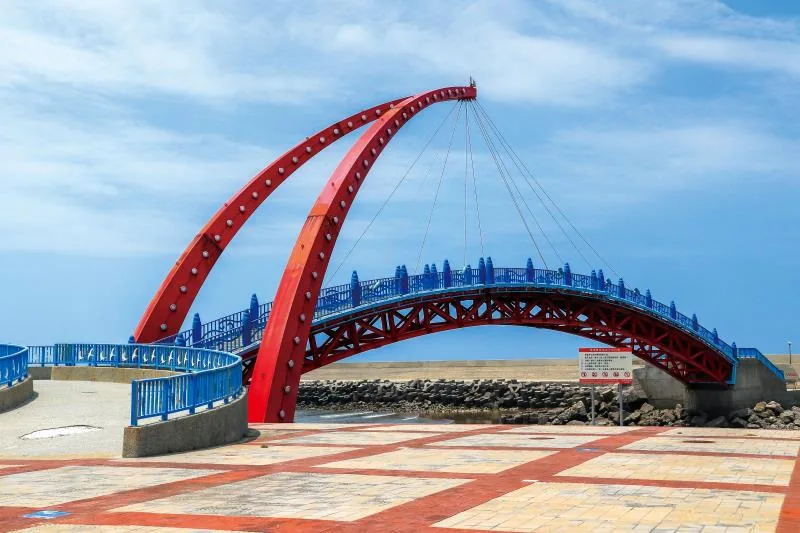
A harbour at the Yuanli River mouth linking local fishing, fish-ball history and a public coast view.
Full practical guide →Operations, fares and access rules use official sources. Photographs must be traceable to the named place; image enhancement may improve clarity but never alter site facts. View the Yuanli photo register →